Home » Why Volume Beats Price Hikes During Restaurant Inflation

Restaurant inflation has forced operators to navigate rising food costs, higher wages, rising occupancy expenses, and increasing vendor fees, all while serving more price-conscious customers.
While price increases can be necessary, they should not be the primary strategy for managing inflation.
In our experience, the restaurants that perform best during inflationary periods are the ones that understand their costs early, forecast labor effectively, protect the guest experience, and focus on growing sales volume. More volume allows operators to spread fixed labor and overhead costs across more transactions, creating a stronger and more sustainable path to profitability.
Restaurant inflation is the combined rise in menu prices, labor cost, food prices, and overhead across a unit. It appears in payroll, rent, utilities, insurance, paper goods, and vendor invoices. Third party delivery fees add to the pressure.
Recent data shows food away from home costs remain above many pre 2020 norms. USDA outlooks also show uneven food inflation by category. Grocery inflation and grocery prices can cool at the same time that restaurant inflation stays stubborn, a gap that matters because operators buy categories, not averages.
When labor or food costs rise, the instinct is to pass those costs to the guest.
That can work when the market supports it. But repeated price increases create risk, especially when guests have easier substitutes: groceries, lower-priced competitors, or fewer restaurant visits.
If you raise prices three times in one quarter, guests will likely notice. If similar increases happen over a longer period, they may be easier to absorb.
Before raising prices, ask:
Our take: Price increases should be treated as a risk decision. Every increase should be measured against traffic, mix, and guest behavior—not just margin targets.
The most effective operators work to increase volume.
The reason is simple: the next guest is often more profitable than the first guest.
If the team is already staffed, the kitchen is running, and the restaurant is open, additional orders can create a better incremental margin. Serving 1,000 meals with the same labor base is very different from serving 800.
More volume helps restaurants:
Our take: The best answer to rising labor and food costs is better volume.

Guests return when the experience feels worth the time and money. That does not always mean a premium experience. In fast food, it may mean clean bathrooms, polite employees, accurate orders, and a short wait. In full service, it may mean clear expectations, good communication, and service that makes a longer visit feel worthwhile.
Small operational details influence whether guests return, wait longer, or choose a different location under the same franchise brand.
Focus on the basics:
Understand what guests expect at each price point
For franchise operators, this matters even more. It is easy to assume volume is controlled by the brand. But guests still choose between locations based on experience.
Minimum wage changes often happen through a step function. A state or city may announce a multi-year plan, moving wages from one level to another over time.
Do not forecast labor by looking only at last year’s sales and assuming this year will behave the same way. Weather, wage changes, local market pay, and staffing needs can all change the economics of a quarter.
Build forecasts around:
Restaurants should also model the gap between legal minimum wage and market wage. In some markets, the legal floor may be low, but employees still expect more because competitors are already paying more.
Our take: Minimum wage is only one input. The real question is what you must pay to keep the right people in the right roles.
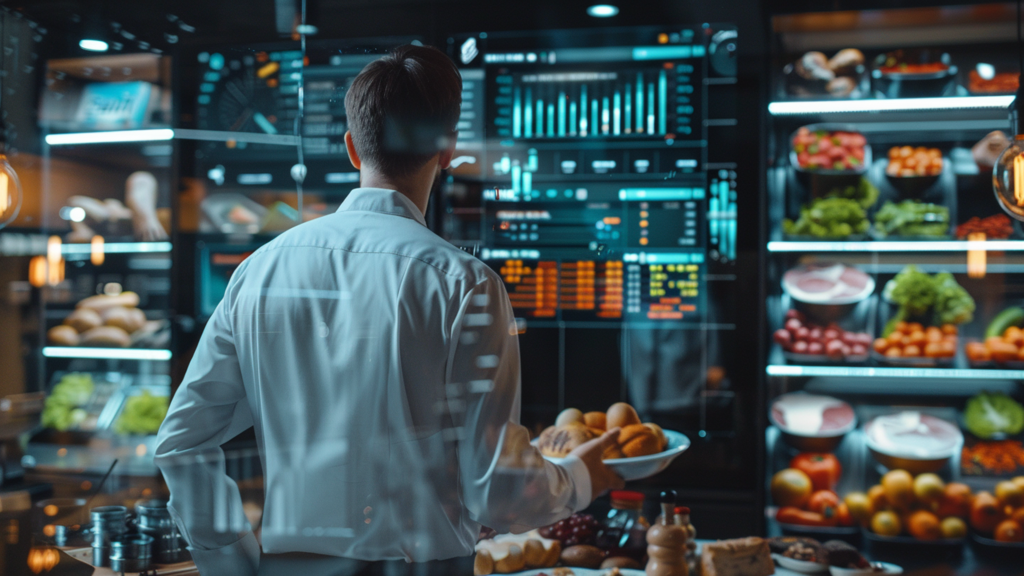
Restaurant operators should treat kiosks, mobile apps, and kitchen tools as support tools, not full labor substitutes. They can speed order flow, reduce front counter pressure, and help crews handle rush periods with more accuracy. These tools also help managers shift labor to guest service instead of order entry at peak times.
This function matters because technology now feels like table stakes in many QSR and fast casual markets. As Will notes, “around the edges Technology is going to help…but technology is not free.” Each new system adds fees, hardware costs, and maintenance needs.
Labor still sits inside prime cost, which means food and labor remain the core expense base even in a more automated store. Technology helps around the edges, but it rarely covers wage pressure on its own. Better guest counts still do more for margin than technology alone.
Pair guest experience with labor analysis, menu price review, and quarterly scenario plans for wages, traffic, and menu costs. This process allows you to react before a weak month turns into a weak quarter.
Global Shared Services helps restaurant operators turn those numbers into action through bookkeeping, payroll support, and CFO insight. If your current plan depends on another price increase, review your assumptions now. Test volume, labor, and traffic scenarios before the next quarter adds more pressure.
Sometimes, yes – but price increases should not be the automatic response. Operators should first evaluate guest traffic, menu mix, competitive positioning, and whether the guest experience supports the higher price point. Repeated price increases can reduce demand if guests perceive less value.
One common mistake is treating inflation as a single number. Food costs, labor costs, and operating expenses often move at different rates. Decisions based only on broad inflation headlines can lead to poor pricing, staffing, and forecasting choices.
Additional guest traffic can improve profitability because many operating costs are already in place. When restaurants serve more guests with the same labor and infrastructure, they can spread costs across more transactions and improve labor leverage without relying solely on higher menu prices.
Labor is one of the largest expenses for most restaurants. Wage increases may come from minimum wage legislation, local labor market competition, or retention challenges. Operators should forecast labor costs by role and location rather than relying only on historical averages.
Technology can improve efficiency, reduce friction, and help teams handle higher volumes. However, it is not a complete replacement for labor. Restaurants still need employees to deliver service, maintain quality, solve problems, and create positive guest experiences.