
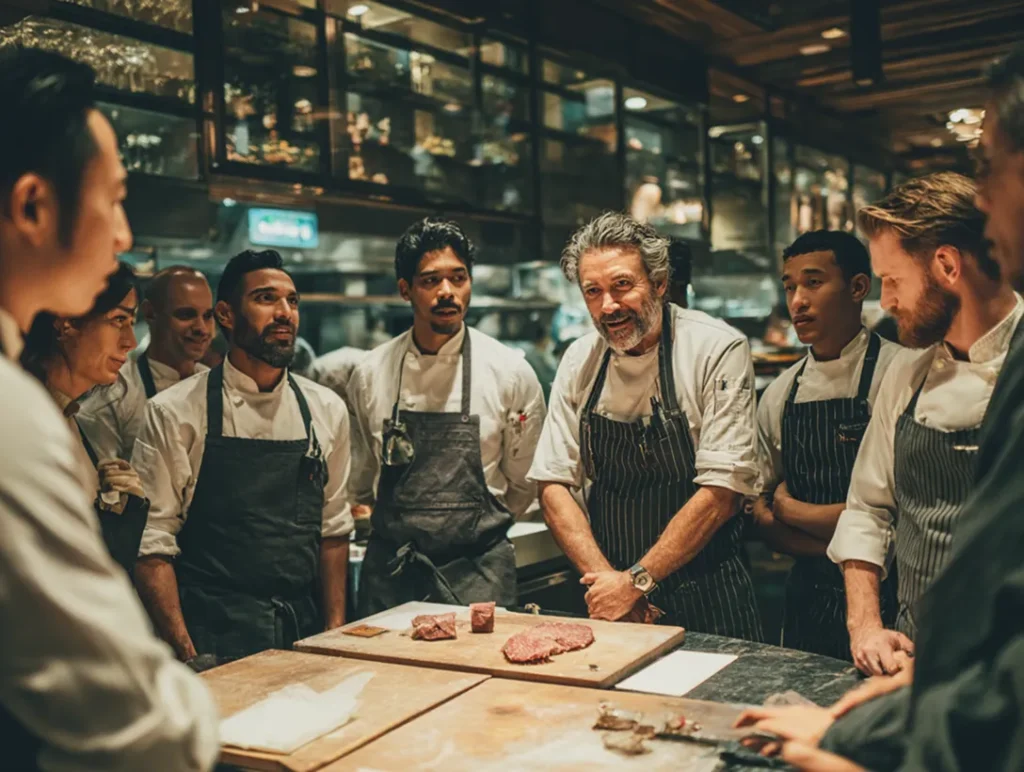
What does it take to build a restaurant team that performs every shift, even when turnover spikes and margins shrink?
Operators know the challenge: one day you have a full roster, the next you’re scrambling to fill gaps and keep guests happy.
Every decision about your people ripples out to the guest experience and bottom line.
David Drinan, Managing Partner at BlackThorn Strategic Advisors, has guided both struggling units and fast-growing brands.
His conclusion: without the right people, no system or strategy can succeed.
Operational excellence begins with people. Technology helps, but service breaks down fast if your team doesn’t care.
Team culture directly shapes guest experience. Staff who trust each other and feel valued show up with pride, while a weak culture creates inconsistency.
Chick-fil-A proves the point: by investing in people and setting clear expectations, they generate industry-leading revenue and unmatched guest satisfaction.
But building and sustaining that kind of team also requires operational breathing room—and that’s where the right back-office support becomes critical.
That’s exactly what Global Shared Services (GSS) provides: financial clarity, smart tools, and time-saving services that allow restaurant leaders to focus on their people instead of their paperwork.
When people feel invested in from day one, they gain confidence and deliver consistent guest experiences.
We’ve seen this play out in real restaurants.
One GSS client—a Tropical Smoothie Café franchisee—built a top-performing team by pairing structured onboarding with GSS payroll support, which eliminated admin headaches and let managers spend more time coaching new hires during their most formative weeks.
Empowerment means backing your team when they make calls in the heat of service—then debriefing, not punishing, when things go sideways. Micromanagement slows service and kills initiative.
Teams care more when they’re trusted to do the job and held to the mark.
Training doesn’t stop after week one. If it does, expect mistakes. Continuous development keeps teams sharp, adaptable, and motivated.
One fast-casual group saw higher ratings and fewer mistakes after six months of structured training sessions.
Guessing at labor or food needs costs money. Data gives you control. Smart technology turns data into decisions.
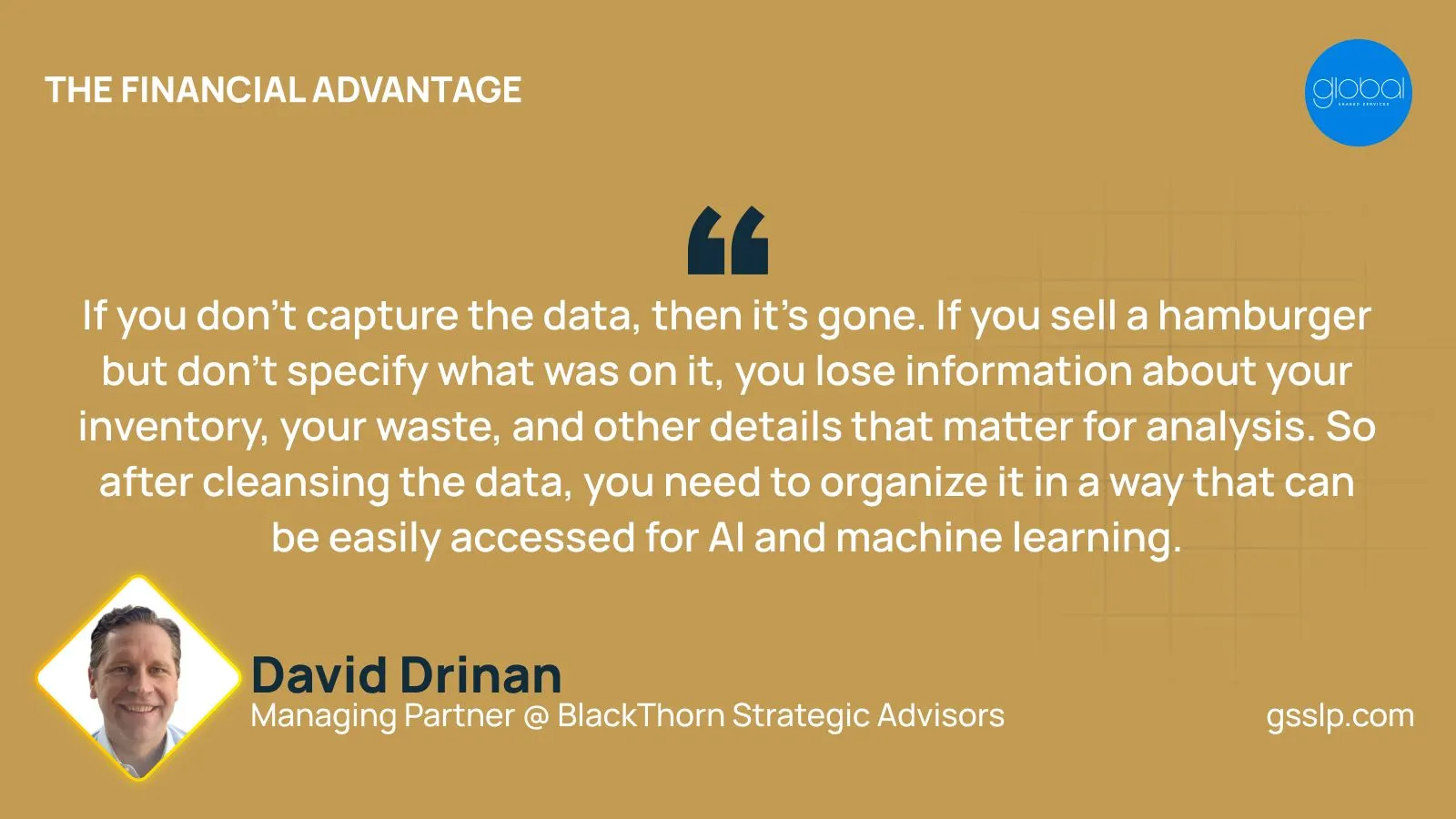
As David Drinan notes, “Everyone’s got the tools to schedule, but it’s about whether managers use them effectively and build rapport with their teams.”
For restaurants already using GSS dashboards, these insights are baked into daily decision-making.
Managers can quickly spot inefficiencies, anticipate labor needs, and make real-time adjustments—before issues escalate or guests feel the impact.
Transparent, two-way communication builds trust and reduces turnover.
A team that feels heard reacts faster to change, owns responsibilities, and supports each other.
Recognition fuels motivation and loyalty.
Retained talent reduces costs, strengthens consistency, and builds long-term brand reputation.
With GSS as your financial partner, you gain more than outsourced support—you gain a team that understands the pace, pressure, and complexity of running a restaurant.
That includes:
Start with one improvement. Build from there. Over time, small changes create the kind of resilient, high-performing culture that keeps guests coming back and teams proud to show up.
For more practical advice, explore insights from David Drinan’s episode, where he outlines proven steps for building resilient, high-performance restaurant teams.