
Running a restaurant is tough. Rising labor costs, unpredictable sales, and slim margins make financial discipline essential. Yet many operators fall into a common trap: setting ambitious stretch goals instead of building realistic budgets their teams can actually follow. Building a structured budgeting process is essential for long-term restaurant budget success.
Restaurant budget accountability addresses this problem directly. The goal isn’t simply to slash costs. It’s about giving every manager and team member clear targets, ownership of results, and tools to make better financial decisions every day.
Stretch targets may sound inspiring, but realistic budgets are what keep operations on track. When restaurant leaders confuse the two, accountability breaks down.
Imagine telling managers to hit a 25% labor cost in a market where wages push the realistic number closer to 30%. Everyone knows the goal is impossible. Morale sinks, bonuses go unpaid, and managers stop paying close attention to schedules and waste.
Unrealistic goals create disengagement, while realistic, data-backed budgets give teams confidence. When incentives align with achievable targets, such as reducing prime cost by one point compared to last quarter, managers are motivated to act.
To avoid this disconnect, operators can use tools like restaurant forecasting, which applies real sales data to set benchmarks that teams can actually reach.
Restaurant budget accountability means:
A kitchen manager might own food costs, while the GM owns labor scheduling. When each leader knows what they control, accountability becomes a shared effort instead of a directive from above.
Building accountability also depends on accurate restaurant accounting practices. With clear reporting, managers can see where labor cost percentage or food cost percentage drifts from the plan and take corrective action quickly.
Even well-meaning plans fall apart without accountability. The most common pitfalls usually fall into three areas.
Many of these issues mirror the top restaurant accounting mistakes, like relying on poor data or failing to update budgets when conditions change. When accountability fades, goals are missed, resources are wasted, and cash flow problems pile up.

Accountability works when it’s part of the culture, not just a line in the budget spreadsheet. Restaurants that succeed usually build on three foundations.
They start by engaging the team early, involving managers when setting targets so responsibility is shared rather than imposed. They also foster open communication, holding regular budget meetings to review results, surface challenges, and adjust as a group. And they align incentives with reality, rewarding progress on achievable, data-driven goals. A one-point improvement in prime cost is far more motivating than an impossible labor target.
Operators that embed accountability into planning often use structured methods such as the FTE model, which helps control costs and align staffing decisions with financial targets.
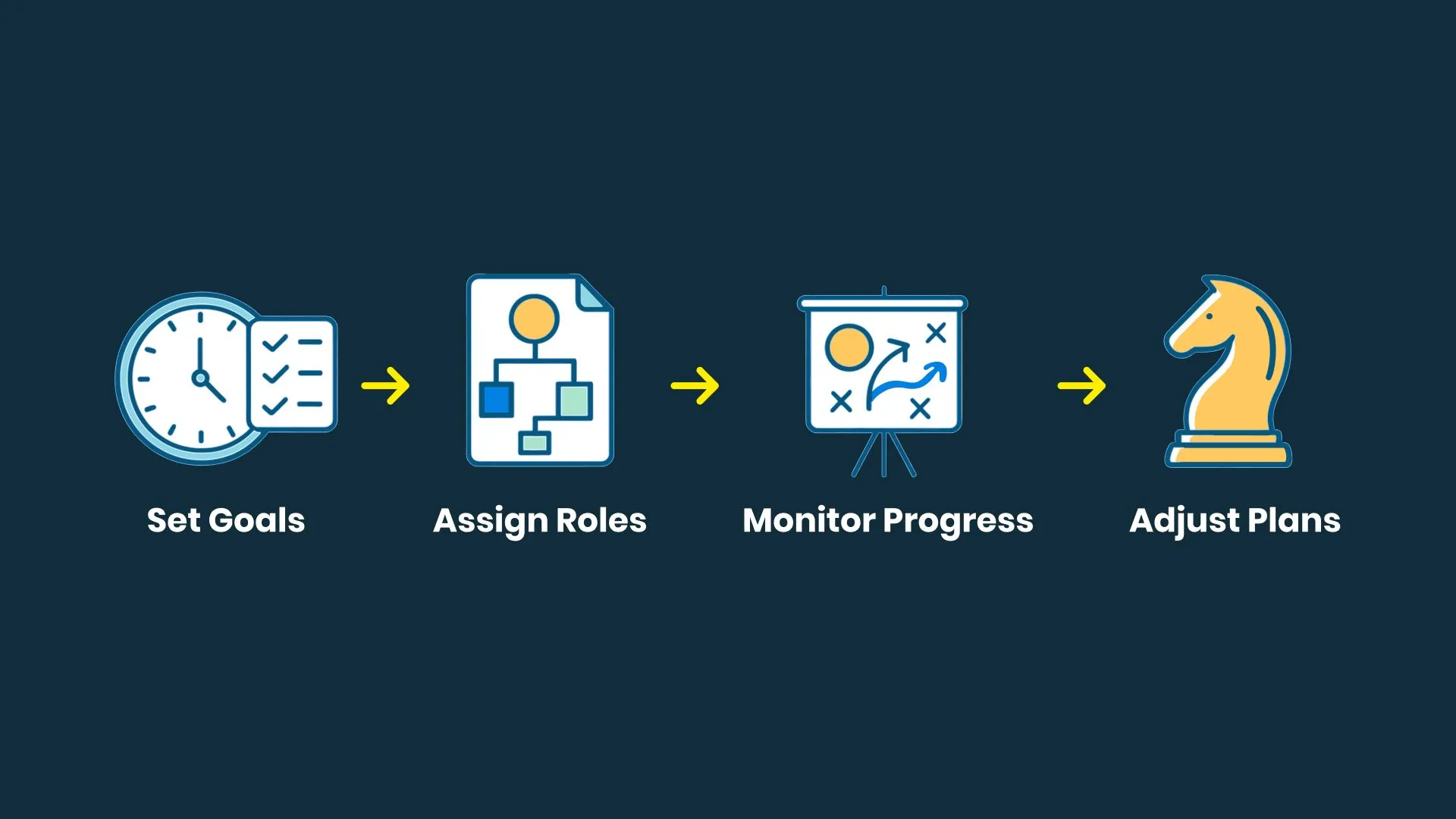
A straightforward way to bring restaurant budget accountability into your business is to follow four steps.
Start by setting data-driven goals, using the past 12 months of results to define realistic targets for sales, labor, and food costs. Next, assign ownership by giving each manager responsibility for specific line items, such as food cost percentage or labor scheduling. Then, monitor results with weekly or bi-weekly check-ins, and agree on corrective actions as soon as variances appear. Finally, adjust and improve by celebrating wins, documenting lessons, and refining targets each cycle.
Budget accountability is easier with the right resources. Many operators rely on restaurant accounting services and financial templates to standardize processes and ensure managers always know their numbers.
Modern tools simplify accountability:
To evaluate the best fit for your business, explore the top restaurant accounting software solutions and compare features for forecasting, reporting, and cost control.
Restaurants that commit to accountability see clearer financial visibility, stronger margins, and steadier cash flow. Instead of constantly reacting to crises, operators can focus on growth.
With food and labor costs rising, accountability has shifted from a nice-to-have to a real advantage. By setting realistic goals, assigning ownership, and aligning incentives with reality, you can use your budget as a daily management tool instead of letting it sit untouched in a spreadsheet.
If you’re looking to strengthen margins and free up time for growth, GSS can help. Our restaurant accounting services give you the structure and insights to keep your team accountable and your finances on track. Restaurant budget accountability helps operators move past stretch goals and focus on long-term profitability.